
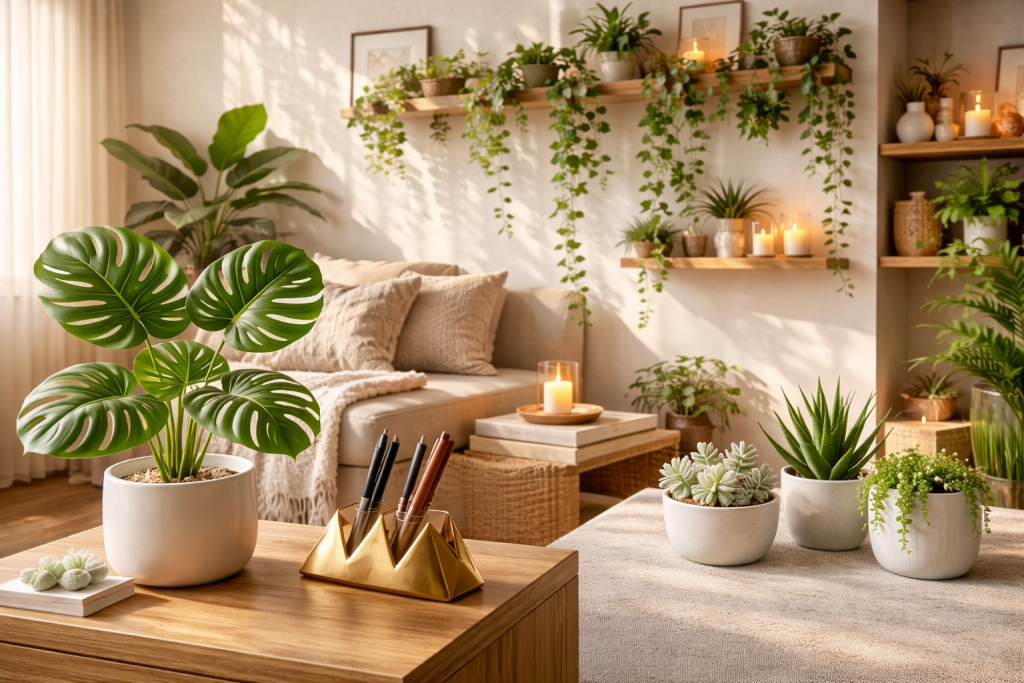
There’s a fine line between a space that feels intentional and one that feels cluttered. Plants can elevate a room instantly—but only when they’re placed, styled, and curated with restraint.
This guide focuses on subtle shifts that transform plant decor from “just greenery” into something refined, calm, and quietly premium.
Table of Contents
What Makes Plant Decor Feel “Cheap”
Before improving anything, you need to recognize the signals that lower the perceived quality of a space:
1. Too many small plants
A cluster of tiny, unrelated plants creates visual noise. It feels accidental rather than designed.
2. Mismatched pots and materials
Plastic, glossy finishes, random colors—these break cohesion and make the setup feel fragmented.
3. Poor plant health
Yellowing leaves, dust, or uneven growth immediately reduce the aesthetic. Even a good setup looks neglected.
4. Lack of negative space
When every surface holds a plant, nothing stands out. The room loses clarity and calm.
5. No hierarchy
If everything is the same size and importance, the eye doesn’t know where to rest.
The Shift: From “Decorating” to “Editing”
High-quality spaces aren’t built by adding more—they’re created by removing and refining.
Think like an editor, not a collector.
Small Changes That Instantly Upgrade Your Space
1. Replace Quantity with Presence
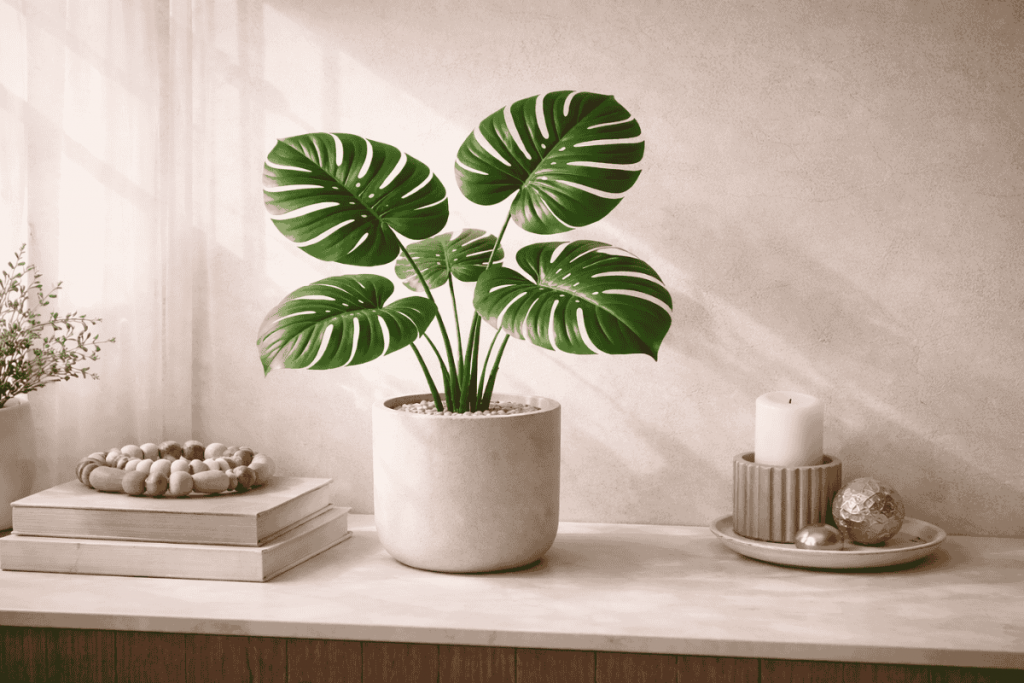
Instead of five small plants, choose one or two that have visual weight.
- A tall plant in a corner
- A single sculptural plant on a surface
This creates calm and intention.
2. Standardize Your Pots
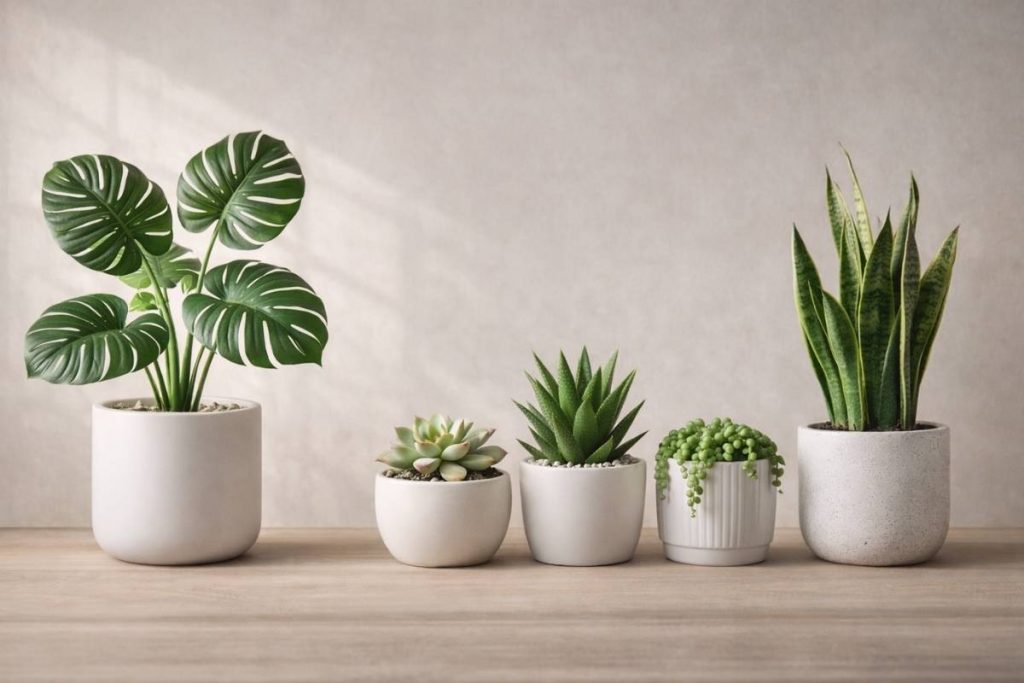
Consistency is one of the fastest ways to elevate a space.
Choose:
- Matte ceramic
- Neutral tones (white, beige, soft gray)
- Simple shapes
Avoid:
- Bright colors
- Mixed materials
- Glossy or plastic finishes
This alone can completely change how “expensive” a room feels.
3. Create Clear Zones
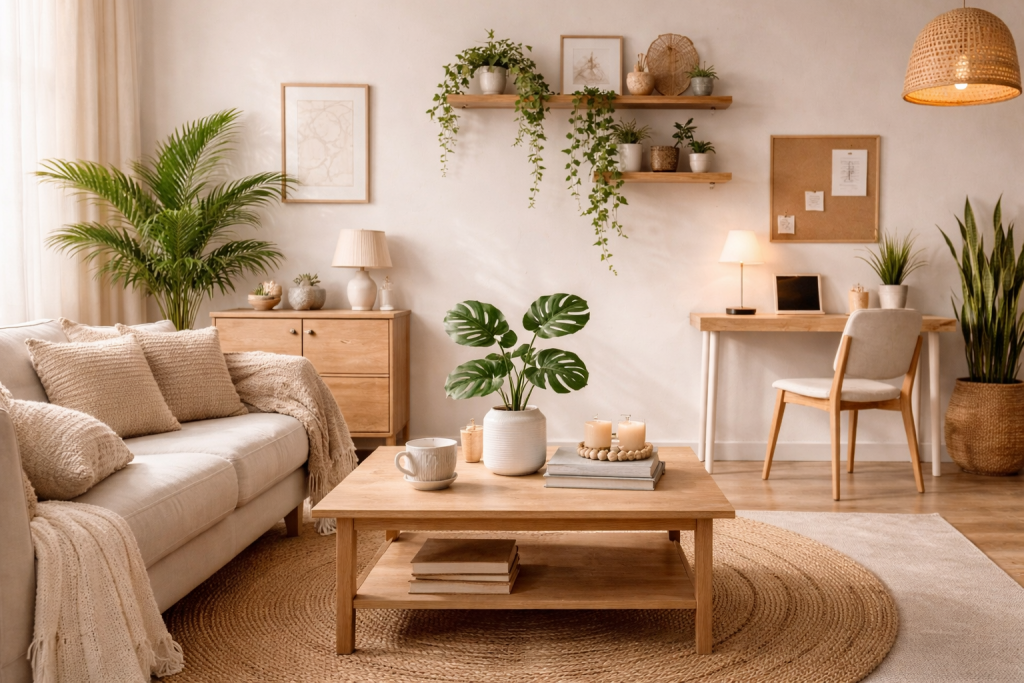
Plants shouldn’t be scattered randomly.
Group them with purpose:
- One focal plant per area
- One secondary element nearby (optional)
Example:
A desk → one plant, not three
A shelf → one plant + one object, not clutter
4. Use Height Intentionally
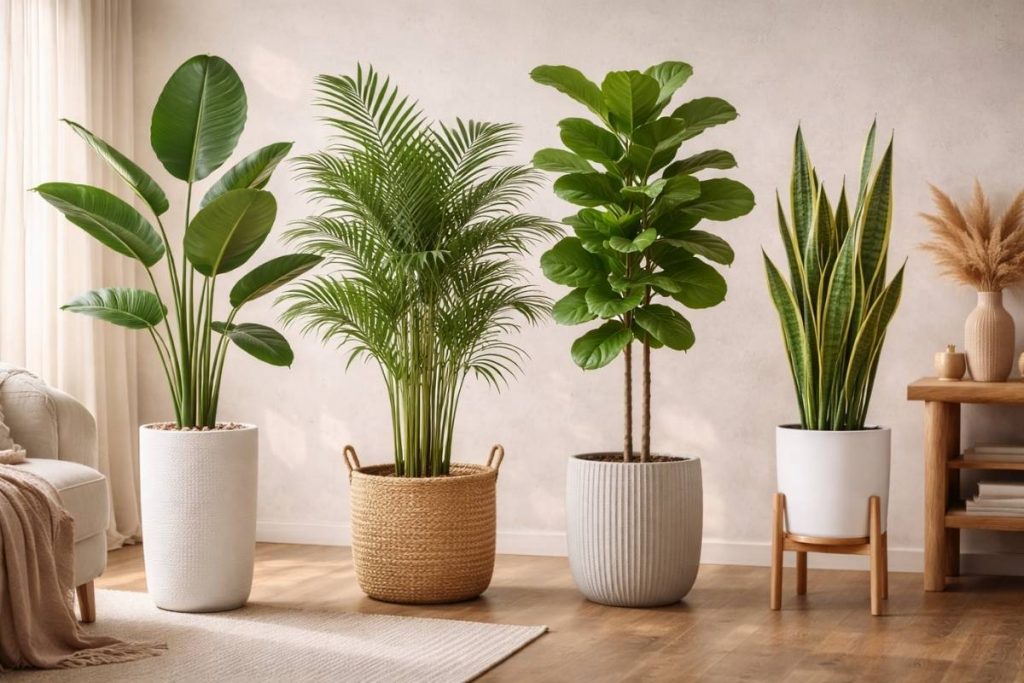
Variation creates structure—but it needs control.
Combine:
- One tall plant (floor)
- One medium plant (table/shelf)
Avoid stacking many similar heights. That’s what creates visual chaos.
5. Maintain Perfect Condition
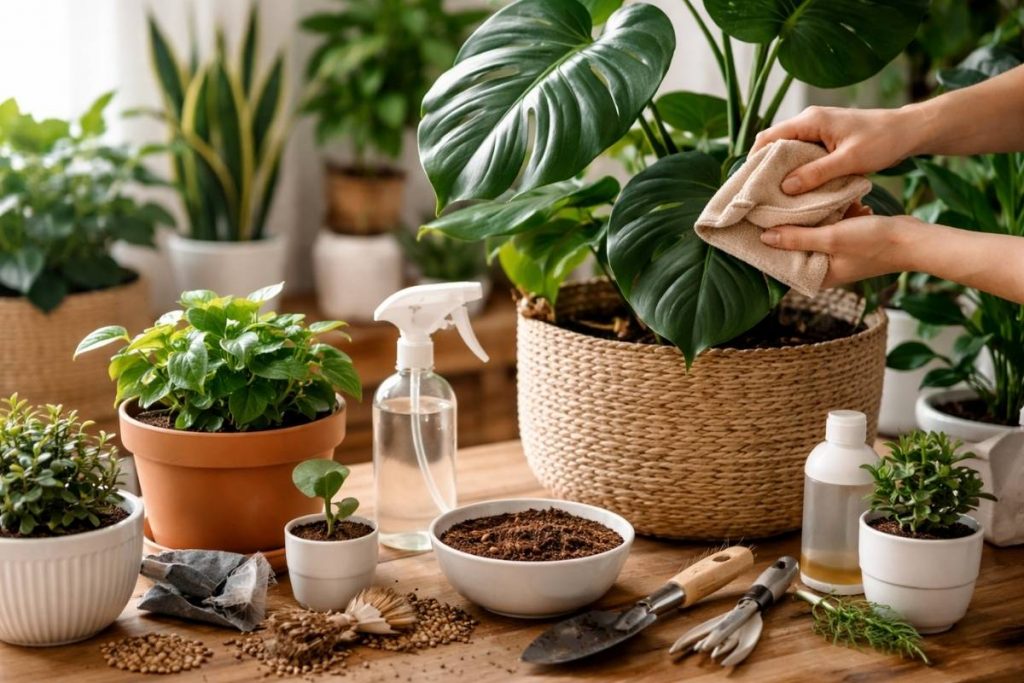
Cleanliness is non-negotiable.
- Wipe leaves regularly
- Remove damaged parts immediately
- Keep soil and pots clean
A healthy plant looks premium. A neglected one lowers the entire space.
6. Protect Negative Space
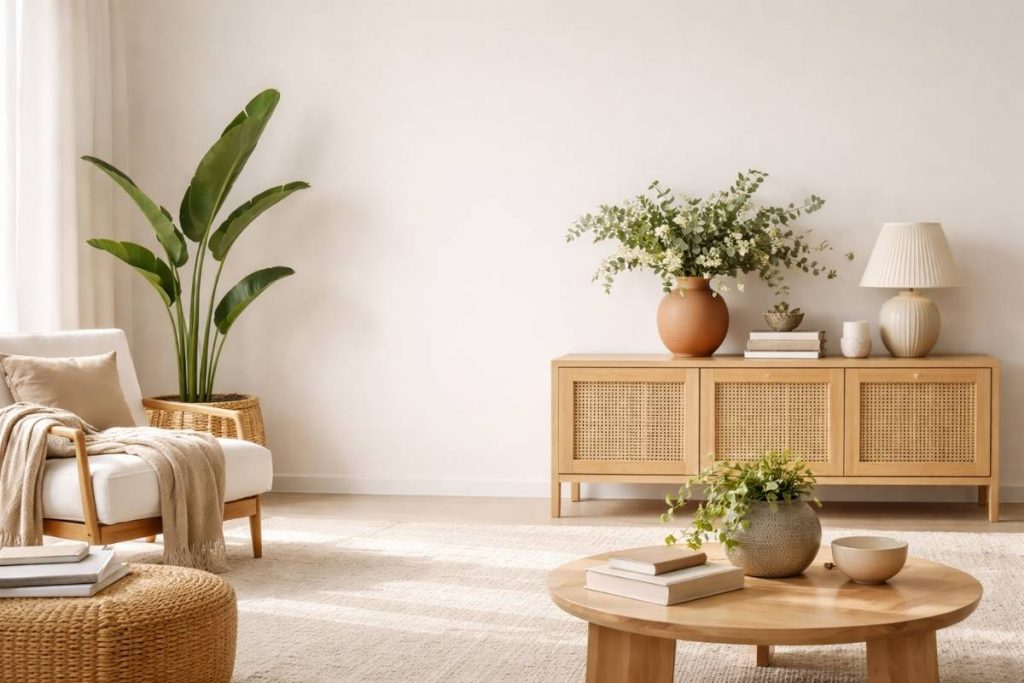
Empty space is not wasted—it’s what makes everything feel calm.
If a surface feels “almost empty,” it’s probably perfect.
Resist the urge to fill it.
A Simple Upgrade Formula
If you want a quick transformation, follow this:
- Remove 50% of your plants
- Keep only the strongest 1–2 per area
- Unify all pots
- Clean everything
- Leave space around each element
That’s it.
The Resulting Atmosphere
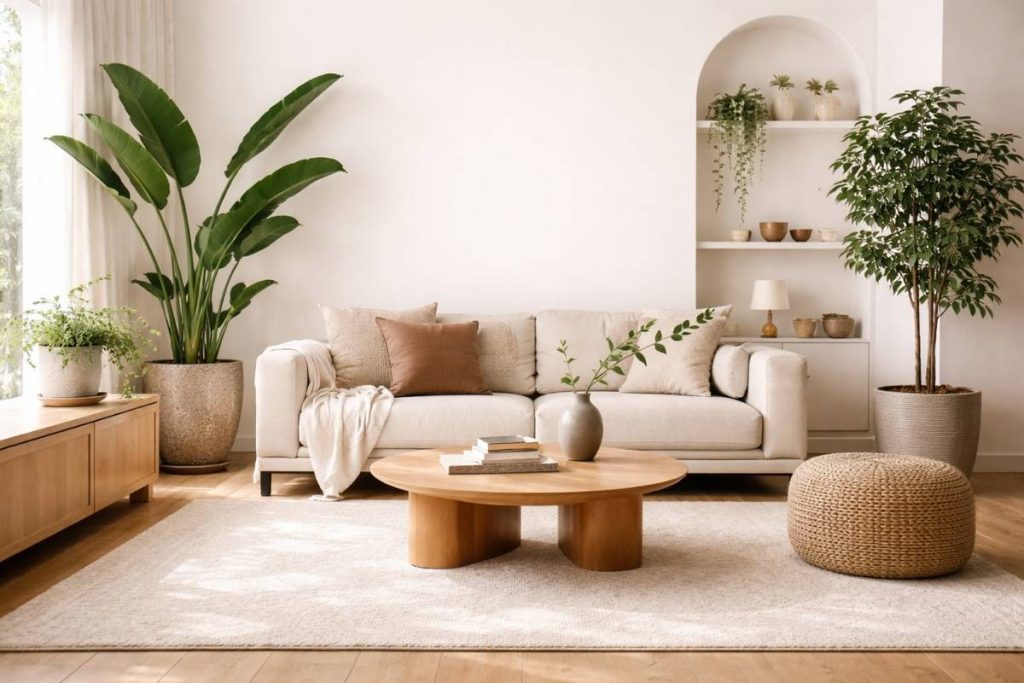
After these changes, the room feels different—not because there’s more, but because there’s clarity.
- Each plant has a purpose
- The eye can rest
- The space feels intentional, not decorated
- The overall mood becomes quiet, focused, and grounded
Final Vision
Imagine walking into your room:
A single tall plant anchors the corner.
A clean desk holds one calm, sculptural plant.
Surfaces are mostly empty, with space to breathe.
Every leaf looks healthy. Every pot belongs.
Nothing competes. Nothing distracts.
The space feels light, controlled, and quietly high-end—without trying to impress.
That’s the difference.