
The living room is the most used and most seen room in any home. It is where you rest, host, and spend the majority of your waking hours at home. Getting it right is not about following trends — it is about understanding the principles that make a space feel genuinely good to be in, and applying them to your specific room, your specific life.
Start With the Layout — Before You Buy Anything
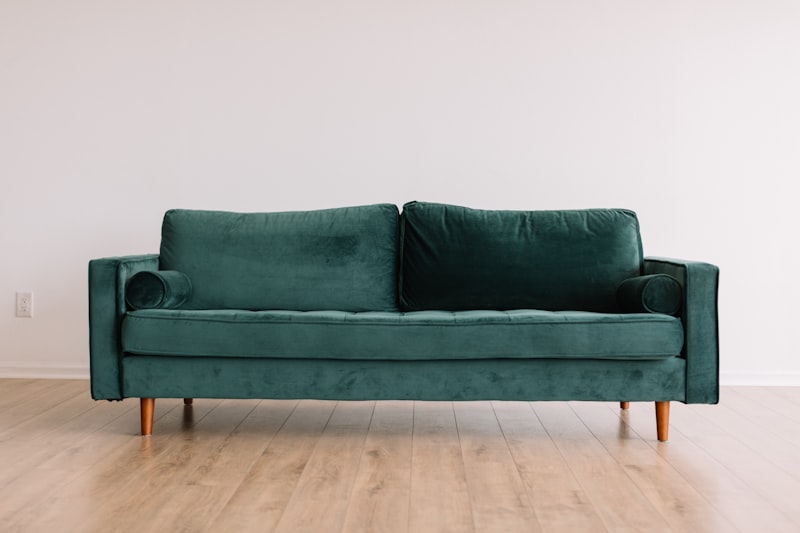
The most common living room mistake is placing all furniture against the walls. It creates a room that feels empty in the middle and disconnected at the edges — like a waiting room rather than a living space. Furniture pulled toward the center creates conversation areas that feel intimate and intentional.
The foundation of any good layout is the relationship between the sofa and the focal point — whether that is a fireplace, a television, a large window, or a piece of art. Everything else arranges itself around that relationship.
The 3 Layout Rules That Work in Every Room
Choose Fewer, Better Pieces — Quality Over Quantity
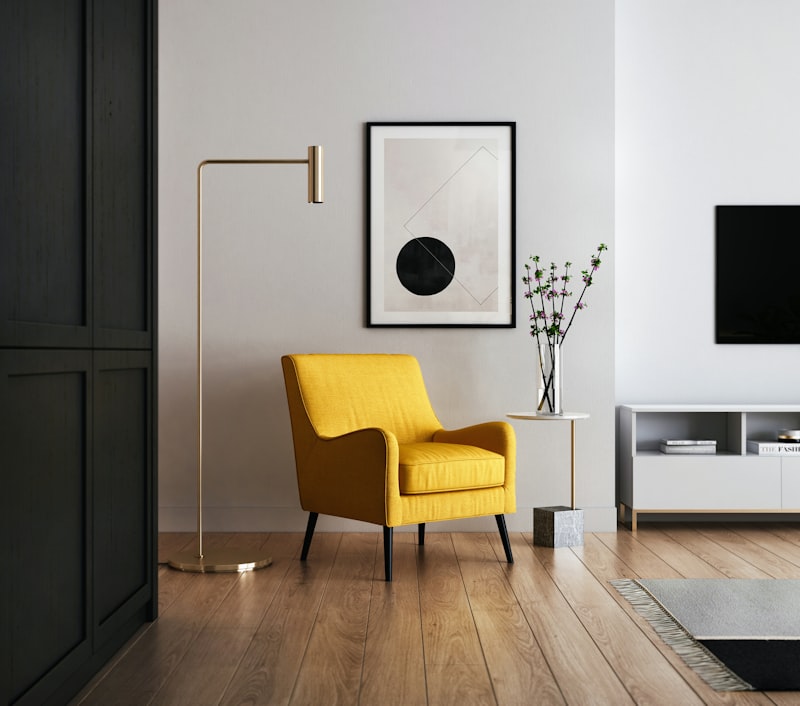
The living room sofa is the most important furniture purchase you will make. It occupies more visual space than any other single object, and it sets the scale for everything around it. Buy the best sofa you can afford, in a neutral fabric — linen, boucle, or performance fabric in stone, cream, or warm grey. It will outlast every trend.
Beyond the sofa, the key pieces are a coffee table, one or two accent chairs, and a side table. Resist the temptation to fill every corner. Empty space is not wasted space — it is breathing room, and it is what makes the pieces you do have look intentional rather than crowded.
✓ Choose
Neutral fabrics that age well. Natural wood. Simple silhouettes. One statement piece per room.
✗ Avoid
Matching furniture sets. Trendy colors. Oversized pieces for the room size. Too many focal points.
Layer Your Lighting — Overhead Alone Is Never Enough
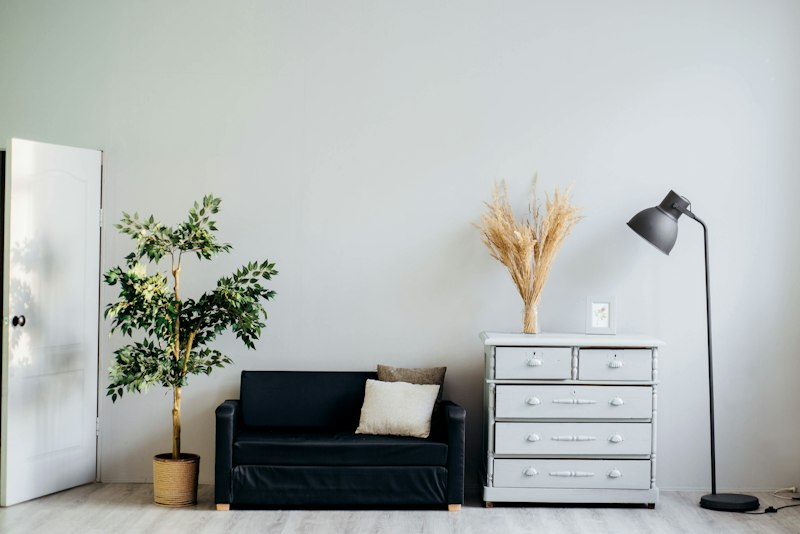
A single overhead light makes any living room feel flat and clinical — regardless of how good the furniture is. Layered lighting transforms the same room: a floor lamp in the corner, table lamps on side surfaces, perhaps a pendant or chandelier overhead for architectural interest. The combination creates depth, warmth, and the ability to change the mood completely by switching which lights are on.
The rule for living room lighting is simple: warm in the evening (2700–3000K), slightly cooler during the day if you work from home (3500–4000K). Dimmable bulbs in every fixture give you control over both. The investment is minimal — the difference is immediate.
The 3-Layer Lighting Formula
Ambient: One overhead source (pendant, chandelier, or recessed) for general illumination. Task: Floor or table lamps for reading and specific activities. Accent: LED strips, picture lights, or candles for atmosphere and highlighting architectural features.
Build a Palette of Three — Then Stop
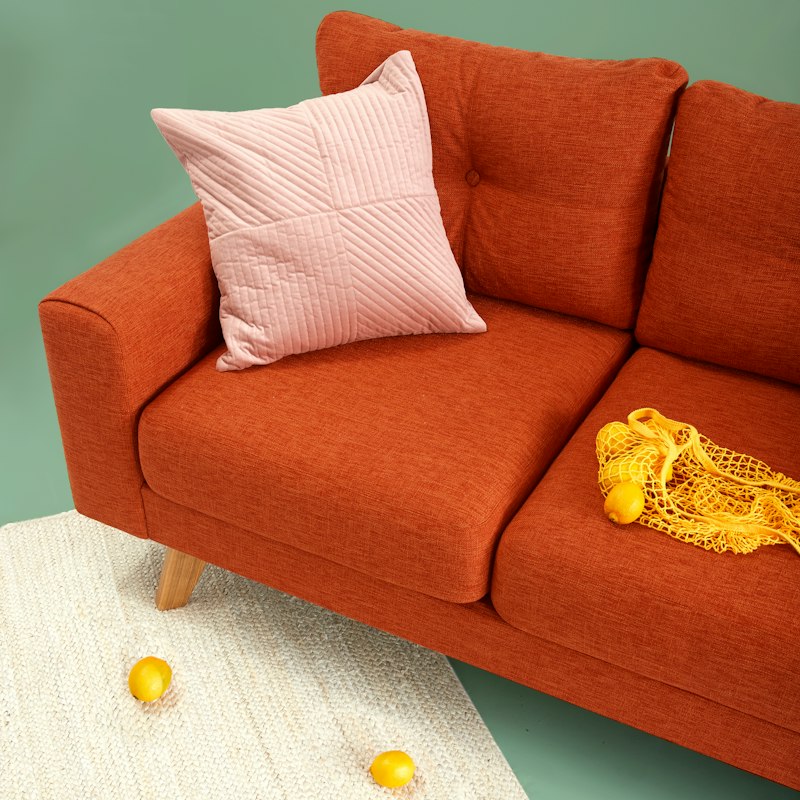
The most timeless living rooms are built on a three-color palette: a dominant neutral (the wall and large furniture color), a secondary tone (cushions, curtains, accent furniture), and an accent (smaller objects, artwork, plants, hardware). More than three colors and the room starts to feel busy regardless of how individually beautiful each color is.
The most successful neutral palettes for living rooms in 2025 are warm whites and creams, soft warm greys, and earthy tones — terracotta, warm beige, stone. These palettes age well, photograph beautifully, and feel genuinely calm to spend time in. Cool greys and stark whites can work but require more precision in execution.
Warm Cream
Dominant neutral
Warm Stone
Secondary tone
Terracotta
Accent color
The Details That Separate Good Rooms From Great Ones
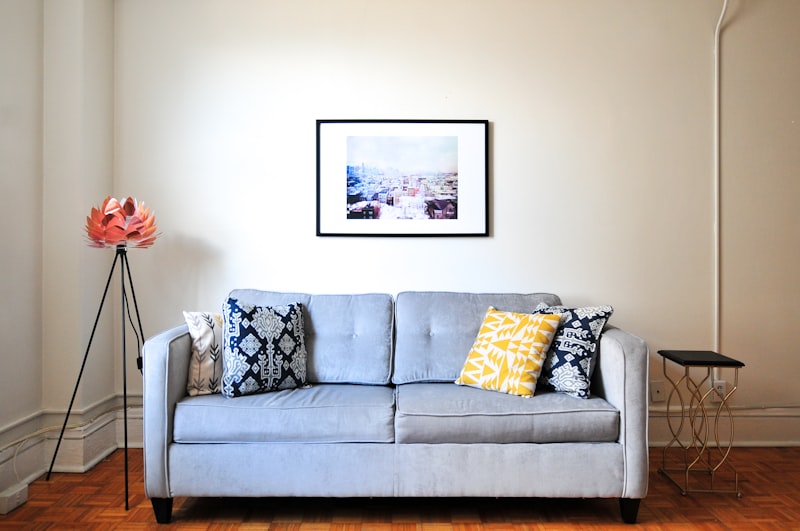
Once the layout, furniture, lighting, and color are right, the finishing touches are what make a room feel personal and complete rather than like a showroom. These are the elements that show who lives there — but they require restraint. The temptation is always to add more. The right move is almost always to add less.
Cushions, throws, plants, books, candles, artwork, and trays — each of these has a role. But every element you add should earn its place by either serving a function, adding texture, or contributing to the color palette. Objects that do none of these three things create clutter, even when they are individually beautiful.
The Finishing Touch Checklist
“A finished room is not one where nothing can be added. It is one where nothing more needs to be.”
Ready to Start?
Begin with the layout. Move furniture away from the walls, identify your focal point, and let everything else follow. It costs nothing and changes everything.